
"zinc coffee"
300 article(s) found

Introduction to the characteristics of Coffee varieties and the production areas of Coffee in Joy Manor, Nicaragua
Nicaragua is one of the major gold-producing countries in Latin America. It has been proved to have 106 gold veins, with an annual output of 70,000 ounces, ranking 13th in the world. Other minerals include silver, antimony, zinc, copper, lead and so on. Rich in geothermal resources. There are two oil deposits. Forests account for 43% of the country's area, exporting pine and mahogany. Fish and shrimp and other aquatic products are rich in the southwestern city of Nicaragua and the capital of Massaya province. Bit

Introduction to the grinding scale of the variety characteristics of the method for describing the flavor of Nicaraguan boutique coffee
Nicaraguan Coffee introduces that Nicaragua is one of the major gold-producing countries in Latin America. It has been proved to have 106 gold veins, with an annual output of 70,000 ounces, ranking 13th in the world. Other minerals include silver, antimony, zinc, copper, lead and so on. Rich in geothermal resources. There are two oil deposits. Forests account for 43% of the country's area, exporting pine and mahogany. Fish, shrimp and other aquatic products are rich in Managua, the capital of Nicaragua.

Introduction to the characteristics of Peruvian Coffee Organic Coffee Flavor and Taste Manor
After peaceful negotiations between the two sides in 1929, Peru took back Tacona.

Introduction to boutique coffee with rich aroma and taste characteristics of coffee in Joy Manor, Nicaragua.
Nicaragua is one of the major gold-producing countries in Latin America. It has been proved to have 106 gold veins, with an annual output of 70,000 ounces, ranking 13th in the world. Other minerals include silver, antimony, zinc, copper, lead and so on. Rich in geothermal resources. There are two oil deposits. Forests account for 43% of the country's area, exporting pine and mahogany. Fish and shrimp are rich in aquatic products. [1] Administrative division editors divide the whole country of Nicaragua
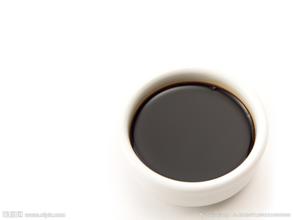
Description of flavor of Kenyan coffee beans with black plum flavor introduction to varieties of planting environment and price
Kenya's mineral deposits are mainly soda ash, salt, fluorite, limestone, barite, gold, silver, copper, aluminum, zinc, niobium and thorium, except soda ash and fluorite, most of which have not yet been developed. The main minerals are barite near Tamota in the southeast, niobium in the Mlima Mountains and gold from Kakamaga and Makajie in the southwest. Kirgil is one of the largest diatomite mines in the world, found in Lake Magadi.

The taste of Bolivian coffee with a bitter taste an introduction to the characteristics of fine coffee in the manor area.
Rich in mineral resources, mainly tin, antimony, tungsten, silver, zinc, lead, copper, nickel, iron, gold and so on. Mineral deposits are rich, with tin reserves of 1.15 million tons, ranking second in the world; iron reserves of 45 billion tons, second only to Brazil in Latin America; and lithium reserves of 100 million tons, ranking first in the world. [7] Oil and gas Bolivia is rich in oil and gas resources. Proven oil reserves are 929 million barrels, as of 2013

Coffee is the perfect blend of caffeine, smell and taste.
Researchers have sequenced the genome of coffee, revealing the evolution of caffeine in plants and providing insights into the popular flavor and aroma of this popular drink. The genome sequence also gives scientists a tool to quickly locate specific genes on specific coffee chromosomes, which can help them improve coffee breeding and accelerate the development of new coffee products.
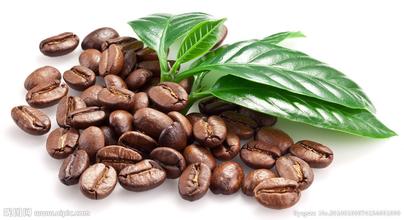
Rich mellow coffee flavor description of Nicaraguan Heavenly Manor introduction to the taste of grinding degree
Nicaragua is one of the major gold-producing countries in Latin America. It has been proved to have 106 gold veins, with an annual output of 70,000 ounces, ranking 13th in the world. Other minerals include silver, antimony, zinc, copper, lead and so on. Rich in geothermal resources. There are two oil deposits. Forests account for 43% of the country's area, exporting pine and mahogany. Fish and shrimp and other aquatic products are rich in the southwestern city of Nicaragua and the capital of Karaso province. Bit

Peruvian coffee flavor description with strong aroma introduction to the taste characteristics of fine coffee varieties
In 1542, the Spanish royal family set up the Government House in Lima and established the Governor's District of Peru, which became the center of Spanish colonial rule in South America. At that time, Peruvian commerce was prosperous, merchants controlled most of South America's import and export trade, and the precious metals and other goods looted by the Spaniards from South America were shipped out of Peru. The colonists encroached on land in Peru, forced the Mita system, and forced the Indians to
Fine Coffee Common sense Chinese Herbal Coffee
Coffee is the first of the three major beverages in the world, one of the most important international trade commodities, and also an important raw material for medicine, food and light chemical industry. in history, there was only woody coffee in the world. and mainly produced in Colombia, Brazil, Indonesia and other countries near the equator, only a small amount of woody coffee is grown in subtropical areas such as Hainan and Yunnan, and coffee is not produced in most countries.

Introduction to Xuemai Manor, Flavor Manor in Bolivian Coffee producing area
Rich in mineral resources, mainly tin, antimony, tungsten, silver, zinc, lead, copper, nickel, iron, gold and so on. Mineral deposits are rich, with tin reserves of 1.15 million tons, ranking second in the world; iron reserves of 45 billion tons, second only to Brazil in Latin America; and lithium reserves of 100 million tons, ranking first in the world. [7] Oil and gas Bolivia is rich in oil and gas resources. Proven oil reserves are 929 million barrels, as of 2013

Kenyan Coffee Producing Areas Ice Hand Brewed Kenyan Coffee Features Kenyan Coffee Taste Why Acid
Kenya's mineral deposits mainly include soda ash, salt, fluorite, limestone, barite, gold, silver, copper, aluminum, zinc, niobium and thorium. Except soda ash and fluorite, most of the mineral deposits have not yet been developed. The main minerals are barite near Tamota in the southeast, niobium in Mount Mrima and gold in Kakamega and Makalje in the southwest. Gil Gil is one of the largest diatomite mines in the world, and Magadi Lake has
Chinese herbal coffee is the first of the three largest drinks in the world.
Coffee is the first of the three major beverages in the world, one of the most important international trade commodities, and also an important raw material for medicine, food and light chemical industry. in history, there was only woody coffee in the world. and mainly produced in Colombia, Brazil, Indonesia and other countries near the equator, only a small amount of woody coffee is grown in subtropical areas such as Hainan and Yunnan, and coffee is not produced in most countries.
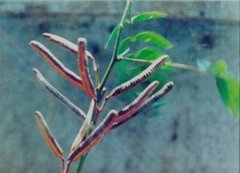
Coffee is the first of the three largest beverages in the world and one of the most important international trade commodities.
Coffee is the first of the three major beverages in the world, one of the most important international trade commodities, and also an important raw material for medicine, food and light chemical industry. in history, there was only woody coffee in the world. and mainly produced in Colombia, Brazil, Indonesia and other countries near the equator, only a small amount of woody coffee is grown in subtropical areas such as Hainan and Yunnan, and coffee is not produced in most countries.

A brief introduction to the planting market price of high-grade vanilla sweet Bolivian boutique coffee beans
The eastern and central part belongs to the savanna climate, the transition from the western mountain to the subtropical climate, and the inland plateau to the mountain climate. The climate in most areas is dry and cool; the annual precipitation decreases from 2000 mm to less than 100mm from northeast to west. [7] Natural resources are rich in mineral resources, including tin, antimony, tungsten, silver, zinc, lead, copper, nickel, iron, gold and so on. Abundant mineral deposits

Introduction to the characteristics of high-quality coffee beans in Bolivian coffee estates with obvious floral flavor
Rich in mineral resources, mainly tin, antimony, tungsten, silver, zinc, lead, copper, nickel, iron, gold and so on. Tin reserves are 1.15 million tons and iron reserves are about 45 billion tons, second only to Brazil in Latin America. Proven oil reserves are 929 million barrels and natural gas reserves are 52.3 trillion cubic feet. The forest covers an area of 500000 square kilometers, accounting for 48 per cent of the land area. [industry]

Imperial Maka Coffee
The word "coffee" comes from the Greek word "Kaweh", which means "strength and passion".
Coffee studies show that coffee grounds can remove the toxic smell of dirt.
There is good news for coffee lovers around the world: the large amount of coffee grounds they throw away helps remove the toxic smell of dirt. In the American Journal of Hazardous Materials, researchers at the City University of New York published a study saying that coffee grounds can absorb hydrogen sulfide gases, which are often caused by the fact that the dirt smells so bad. Now the common practice is to use activated carbon.

Coffee action coffee grounds help to remove toxic odor
There is good news for coffee lovers around the world: the large amount of coffee grounds they throw away helps remove the toxic smell of dirt. In the American Journal of Hazardous Materials, researchers at the City University of New York published a study saying that coffee grounds can absorb hydrogen sulfide gases, which are often caused by the fact that the dirt smells so bad. Now the common practice is to use activated carbon.

Coffee basic knowledge Coffee grounds can remove the toxic smell of dirt
There is good news for coffee lovers around the world: the large amount of coffee grounds they throw away helps remove the toxic smell of dirt. In the American Journal of Hazardous Materials, researchers at the City University of New York published a study saying that coffee grounds can absorb hydrogen sulfide gases, which are often caused by the fact that the dirt smells so bad. Now the common practice is to use activated carbon.